30% OFF USE CODE: JLS30 (Min spend AED 200) (First visit only *)





75 AED off on first visit
Sign up for special offers and updates
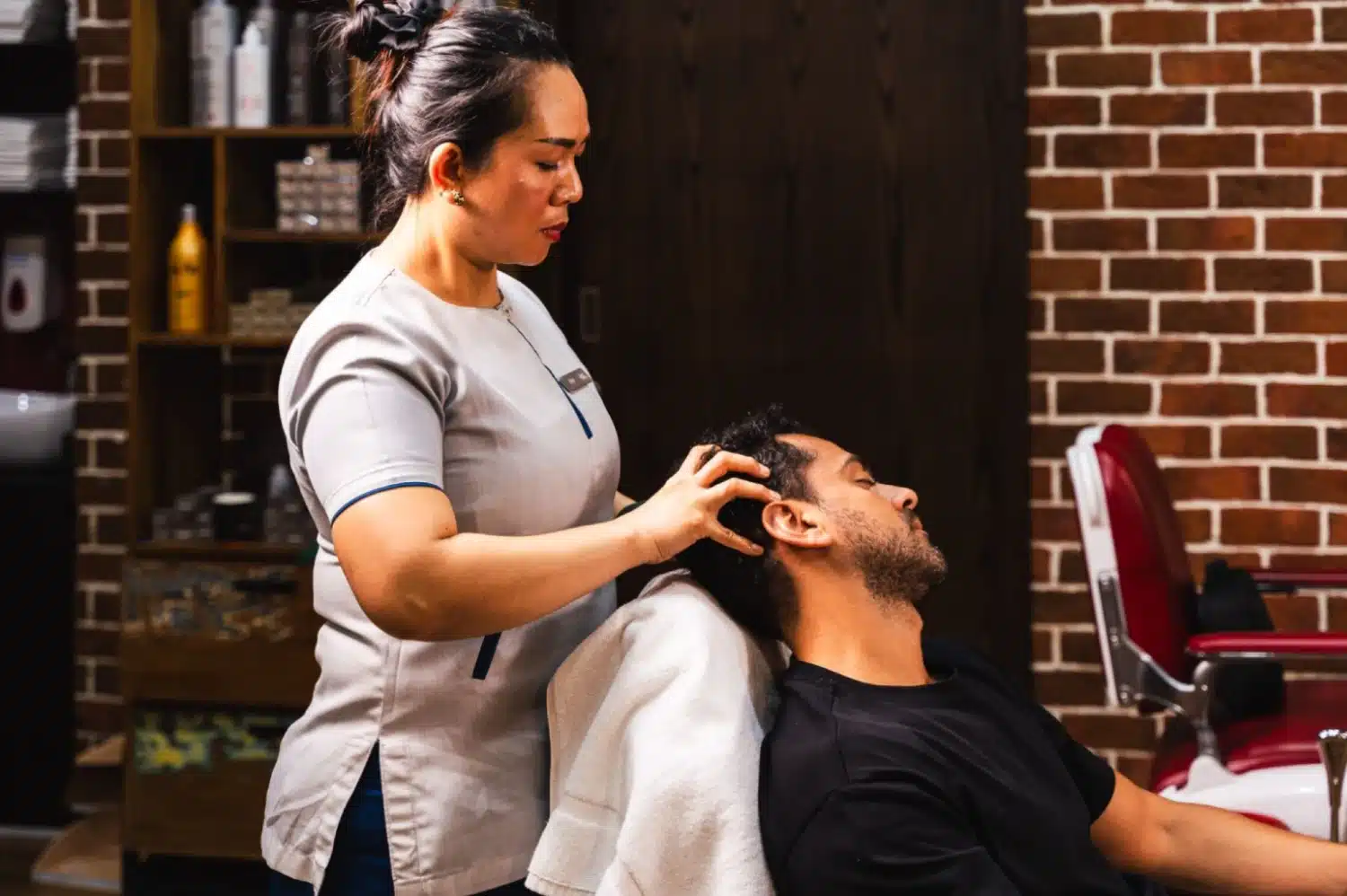
How Spa Therapy May Support Sleep, Recovery and Mental Wellbeing
Modern life can make it difficult to switch off. Long working hours, demanding exercise routines, frequent travel and constant screen use may leave people feeling physically tense and mentally overstimulated.
For many men, a spa visit creates a structured opportunity to step away from these demands. Massage, heat-based treatments and a calm spa environment may support temporary relaxation, muscle comfort and a greater sense of wellbeing.
However, spa therapy should not be presented as a medical treatment for insomnia, anxiety, depression, sports injuries or chronic pain. Research suggests that massage may benefit pain or subjective sleep quality in some groups, but findings vary, and much of the evidence is low or moderate in certainty.
This guide explains how visiting a spa for men may support relaxation, post-activity recovery and healthier sleep routines—and when professional medical or mental-health support may still be necessary.
What Does Spa Therapy Include?
“Spa therapy” is a broad wellness term rather than one specific medical treatment.
At a male spa, it may include:
- Swedish massage
- Deep-tissue massage
- Sports massage
- Thai massage
- Hot-stone massage
- Head, neck and shoulder massage
- Foot massage or reflexology
- Moroccan bath treatments
- Facials and body treatments
- Manicure, pedicure and grooming services
The techniques, pressure and intended experience differ between treatments.
A Swedish massage commonly uses gentler flowing movements for relaxation. Deep-tissue or sports massage may use firmer pressure in selected areas, while hot-stone massage combines manual techniques with controlled warmth.
Jazz Lounge Spa currently offers several massage styles for men, including Swedish, Thai, deep-tissue, sports and hot-stone options.
These services should be selected according to personal preference, comfort, recent activity and relevant health information—not because one technique is universally “best.”
Can Spa Therapy Help You Sleep Better?
Massage may help some people feel calmer before sleep by reducing the immediate feeling of physical tension and creating time away from work, screens and other sources of stimulation.
A systematic review of massage in critically ill adults found improvements in subjective sleep quality in some studies, particularly with foot reflexology. However, the certainty of the evidence was low, and those findings cannot automatically be applied to every healthy spa customer.
A wider review of hydrotherapy, balneotherapy and spa-based interventions also found possible improvements in sleep quality, although treatment types and study populations varied considerably.
It is therefore reasonable to say that a spa session may support relaxation before sleep. It is not accurate to promise that massage:
- Cures insomnia
- Guarantees uninterrupted sleep
- Replaces sleep medicine
- Treats sleep apnoea
- Permanently corrects a poor sleep pattern
Sleep is influenced by many factors, including stress, caffeine, work schedules, medicines, pain, room conditions and underlying sleep disorders.
Creating a Calmer Pre-Sleep Routine
The surrounding routine may be as important as the massage itself.
A spa visit can encourage someone to:
- Put their phone away for a period
- Slow down after a demanding day
- Spend time in a quieter setting
- Become more aware of muscle tension
- Avoid intense work immediately before bed
- Treat sleep as part of a wider self-care routine
For someone booking an evening appointment, it may help to keep the rest of the night relatively calm rather than immediately returning to heavy exercise, work calls or prolonged screen use.
Good sleep habits remain important. A spa session should complement—not replace—consistent sleeping and waking times, sensible caffeine use and an appropriate sleep environment.
People who have had sleep problems for months or whose sleep difficulties substantially affect daily life should seek medical advice. Cognitive behavioural therapy may be recommended for persistent insomnia, and assessment may be needed for conditions such as sleep apnoea.
How Massage May Support Physical Recovery
Recovery is the process through which the body adapts after exercise, work or other physical demands.
Massage may temporarily help some people with:
- Perceived muscle tightness
- General soreness
- Relaxation after exercise
- Short-term comfort
- Temporary movement confidence
- Awareness of sensitive or tense areas
A large review of massage for painful adult conditions found some moderate-certainty evidence of beneficial associations with pain. However, high-certainty conclusions were absent, and evidence that massage outperformed other active treatments was uncommon.
This means massage can be a useful wellness or recovery option, but it should not be advertised as repairing every injury or dramatically accelerating tissue healing.
Massage Is Not the Same as Rehabilitation
Massage may help an area feel more comfortable without correcting the reason symptoms keep returning.
For example, it cannot independently:
- Rebuild strength after an injury
- Restore joint stability
- Replace progressive rehabilitation
- Correct training-load errors
- Confirm readiness to return to sport
- Treat a fracture or torn ligament
- Prevent every future injury
Persistent pain, swelling, weakness, instability or reduced movement may require assessment by a doctor or physiotherapist.
Sports massage can be part of a wider recovery routine, but the safer claim is that it may support temporary muscle comfort—not that it prevents injuries or guarantees faster recovery.
Can Spa Therapy Support Mental Health?
The term “mental health” covers a wide range of experiences and clinical conditions. Everyday stress after work is not the same as an anxiety disorder, major depression, post-traumatic stress disorder or another diagnosed condition.
Massage and a calm spa environment may help some people experience:
- Temporary relaxation
- Reduced perceived tension
- A mental break from routine
- Greater body awareness
- A short-term improvement in mood
- Time dedicated to personal care
Some systematic reviews have reported reductions in anxiety symptoms after massage or manual-therapy interventions. However, the research includes different populations and treatment settings, and study quality is not consistently strong.
Jazz Lounge Spa should therefore use phrases such as:
May support relaxation and temporary stress relief.
It should avoid claims such as:
Treats anxiety, depression or other mental-health disorders.
Massage does not replace counselling, psychological therapy, psychiatric care or prescribed treatment. Evidence-based talking therapies are used for conditions including anxiety and depression and are delivered by appropriately trained professionals.
Why Men Are Including Spa Visits in Their Wellness Routines
Some men may delay rest or self-care until physical tension becomes difficult to ignore. A scheduled spa visit can make recovery more deliberate rather than something left until spare time appears.
A specialist spa for men in Dubai may also provide an environment designed around men’s grooming and relaxation preferences. Services can be combined with barbering, facials, Moroccan baths or nail care, reducing the need to visit several different businesses.
This does not make spa care medically necessary. Its value often comes from convenience, privacy, personal presentation and a structured opportunity to relax.
Choosing the Right Massage for Your Goal
For General Relaxation
A Swedish or other moderate-pressure massage may suit someone seeking a calmer experience without intense pressure.
For Post-Exercise Muscle Tension
A sports massage may be considered after training, provided there is no suspected acute injury. Pressure should be adjusted according to comfort.
For Firm Pressure
Deep-tissue massage may suit some people who prefer stronger manual techniques. Firm pressure is not automatically more effective and may be unsuitable after an acute injury or for someone who bruises easily.
For Warmth and Relaxation
Hot-stone massage combines controlled warmth with massage. It may not be suitable for people with reduced sensation, circulation problems or certain medical conditions.
For Stretching and Movement
Thai massage uses assisted movement, stretching and pressure. Customers should disclose recent injuries, surgery and joint problems before treatment.
A trained spa professional should ask about relevant health information and adapt or decline a treatment when necessary.
Is Massage Safe for Everyone?
Massage is generally well tolerated by many healthy adults, but it is not suitable in every situation.
Medical advice or additional screening may be needed for people with:
- Blood-clotting conditions
- Deep-vein thrombosis
- Blood-thinning medicine
- Osteoporosis
- Recent surgery
- A recent fracture or acute injury
- Cancer or ongoing medical treatment
- Reduced sensation
- Significant cardiovascular conditions
- Pregnancy
- Implanted medical devices
Cleveland Clinic advises people with conditions such as blood clots, osteoporosis, tumours or blood-thinner use to discuss massage with a healthcare provider before treatment.
Massage should generally be delayed over areas with:
- Active infection
- Fever-related illness
- Open wounds
- Burns
- Severe bruising
- Inflamed or painful skin
- Unexplained swelling
- A suspected blood clot
The therapist should be informed immediately if a treatment causes sharp pain, dizziness, numbness or unusual discomfort.
What to Expect During a Men’s Spa Visit
A responsible appointment should include:
- Service selection: Choose a treatment based on your preferred pressure, available time and primary goal.
- Basic consultation: Explain relevant health conditions, injuries, medicines, allergies and previous reactions.
- Privacy and preparation: The spa should explain clothing, draping and treatment-room procedures.
- Pressure confirmation: The therapist should ask about comfort and adjust the pressure where necessary.
- Treatment: The session should follow the selected duration and agreed areas.
- Post-treatment guidance: Customers may be advised to monitor sensitive areas and avoid activities that aggravate discomfort.
A massage should not feel like something that must be endured to achieve a result. Strong or painful pressure does not prove that a treatment is working.
How Often Should You Visit a Spa?
There is no medically required schedule for routine spa massage.
Frequency may depend on:
- Personal budget
- Training schedule
- Work demands
- Preferred treatment
- Skin or muscle sensitivity
- Response after previous visits
- Whether symptoms require clinical care
Some people choose occasional appointments after demanding periods. Others include massage within a regular grooming routine.
Repeated sessions should not be used to ignore pain that is worsening, recurring or affecting normal movement.
How to Find a Suitable Men’s Spa in Dubai
People often search for phrases such as men spa near me, male spa, best spa for men or best men’s spa Dubai when comparing local businesses.
These search terms do not prove that one provider is objectively better than every competitor.
A stronger comparison should consider:
- Exact location
- Treatment menu
- Prices and durations
- Cleanliness
- Therapist training
- Privacy
- Booking convenience
- Customer reviews
- Clear contraindication screening
- Realistic wellness claims
- Transparent cancellation and payment terms
UAE consumer-protection rules prohibit advertising that creates an untrue or misleading impression about a service or its expected results.
For that reason, spa businesses should avoid guaranteed claims about sleep, immunity, detoxification, injury prevention or mental-health treatment.
Why Consider Jazz Lounge Spa?
Jazz Lounge Spa provides men’s massage, grooming and personal-care services across several UAE locations.
Its Dubai branches currently include:
- Palm Jumeirah
- Jumeirah 1 at Port De La Mer
- Umm Suqeim
- Mirdif Avenue Mall
Opening hours vary by branch, so customers should check the selected location before booking.
Available massage options include several relaxation and firmer-pressure treatments. Customers can choose according to their preferred experience and should disclose relevant medical information before the session.
Jazz should position itself as a convenient, men-focused wellness and grooming destination—not as a medical provider treating insomnia, depression, chronic pain or sports injuries.
Frequently Asked Questions
Can Massage Cure Insomnia?
No. Massage may help some people feel relaxed, but it is not a cure for insomnia. Persistent sleep problems should be discussed with a healthcare professional.
Can a Spa Visit Treat Anxiety?
No. Spa treatments may provide temporary relaxation, but anxiety disorders require appropriate assessment and evidence-based care.
Is Sports Massage Good After Every Workout?
Not necessarily. Light soreness may respond to rest or gentle movement. Acute pain, swelling or weakness may need medical or physiotherapy assessment before massage.
Is Deep-Tissue Massage Better Than Swedish Massage?
Neither is universally better. Swedish massage commonly offers a gentler experience, while deep-tissue massage uses firmer pressure. The appropriate choice depends on preference, health and comfort.
Can I Have a Massage After Surgery?
Only after clearance from the surgeon or treating healthcare clearance from the surgeon or treating healthcare professional. Timing and treatment areas depend on the procedure and healing stage.
How Do I Choose the Best Spa for Men?
Compare location, service information, hygiene, prices, privacy, customer reviews and the accuracy of treatment claims rather than relying only on the word “best.”
Conclusion
Spa therapy may support relaxation, temporary muscle comfort and a calmer personal-care routine. For some men, these effects can make it easier to unwind after work, exercise or travel.
The evidence does not support presenting spa massage as a cure for insomnia, anxiety, depression, chronic pain or sports injuries. Its most appropriate role is as a wellness service that may complement—but not replace—healthy sleep habits, medical care, physiotherapy or psychological support.
Jazz Lounge Spa provides massage and grooming services for men at several Dubai locations, offering customers a dedicated environment for personal care and relaxation.
Looking for a spa for men in Dubai? Explore Jazz Lounge Spa’s massage options and select your nearest Dubai branch to book an appointment.
Wellness disclaimer: This article provides general information and does not replace medical, psychological or sleep-related advice. Seek professional care for persistent insomnia, significant anxiety, depression, unexplained pain, acute injury or other concerning symptoms.
